
 English
 Español
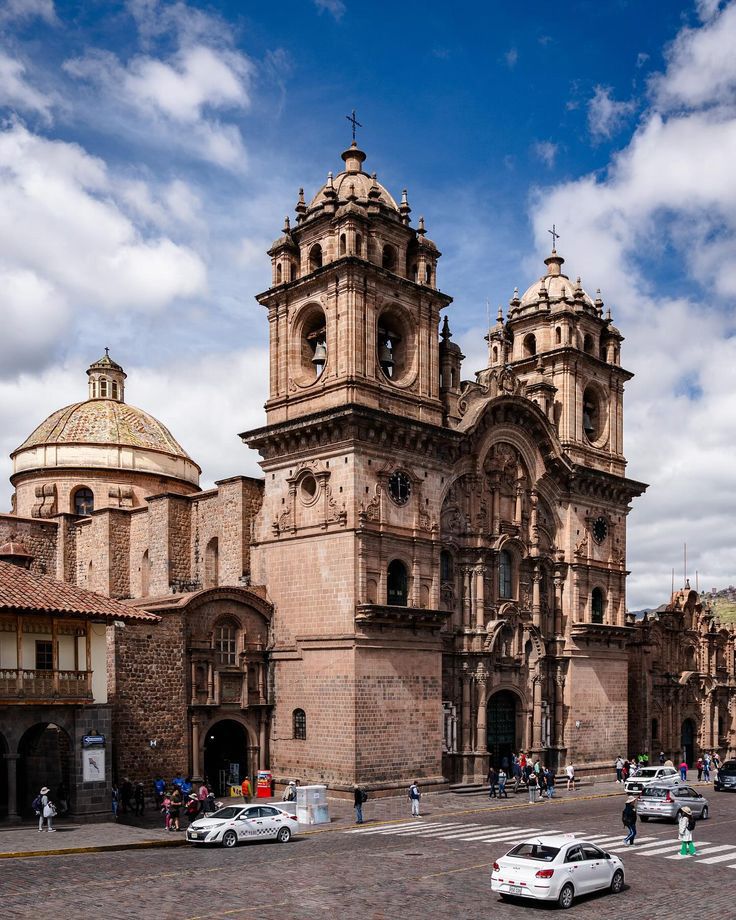
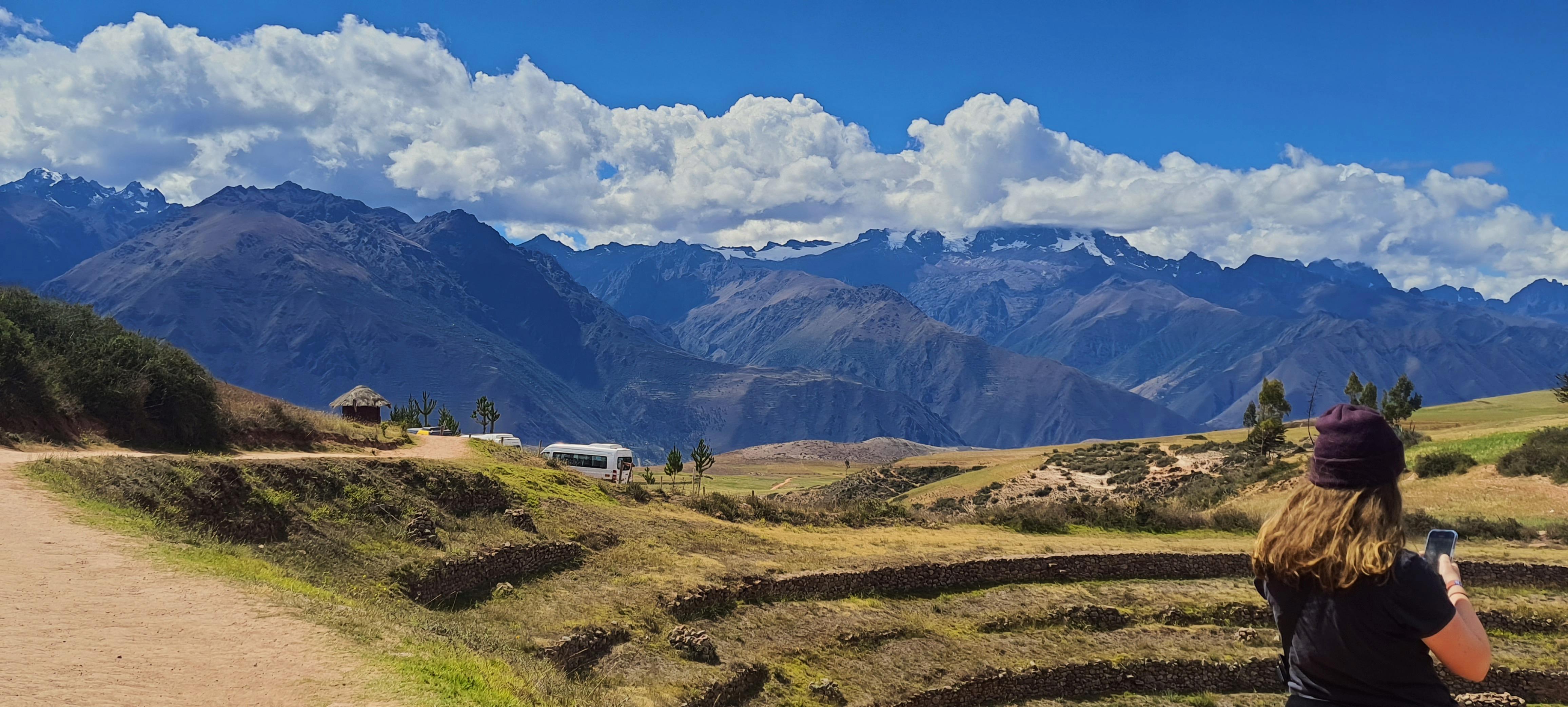
Cusco sits at 3,399 m (11,152 ft) above sea level, while Machu Picchu is lower, at 2,430 m (7,972 ft). That makes Cusco the place where most travelers feel the altitude. The Sacred Valley, at around 2,800 to 2,900 m, is a gentler first stop. Plan two or three easy days before any high hikes.
Ready to see it for yourself?
Explore Cusco at your own pace with Sakura Expedition and travel with local guides.
Cusco and Machu Picchu altitude at a glance
| Place | Altitude | Compared with Cusco |
|---|---|---|
| Aguas Calientes | 2,040 m (6,693 ft) | About 1,360 m lower |
| Machu Picchu | 2,430 m (7,972 ft) | About 970 m lower |
| Ollantaytambo | 2,792 m (9,160 ft) | About 600 m lower |
| Urubamba, Sacred Valley | 2,870 m (9,416 ft) | About 530 m lower |
| Pisac | 2,972 m (9,751 ft) | About 430 m lower |
| Cusco | 3,399 m (11,152 ft) | — |
| Sacsayhuamán | 3,700 m (12,139 ft) | About 300 m higher |
| Chinchero | 3,762 m (12,343 ft) | About 360 m higher |
| Lake Titicaca | 3,810 m (12,500 ft) | About 410 m higher |
| Humantay Lake | 4,200 m (13,780 ft) | About 800 m higher |
| Salkantay Pass | 4,630 m (15,190 ft) | About 1,230 m higher |
| Rainbow Mountain | Over 5,000 m (16,400 ft) | More than 1,600 m higher |
How high is Cusco?
Cusco is at 3,399 m (11,152 ft). Most visitors fly in from sea level, so the change is sudden. Expect to feel short of breath on stairs and hills during the first days, and to sleep less well than usual.
How high is Machu Picchu?
Machu Picchu is at 2,430 m (7,972 ft), almost 1,000 m lower than Cusco. Aguas Calientes, the town below, is lower still. Most travelers find it easier to breathe there. The exceptions are the mountain hikes inside the site, such as Machu Picchu Mountain, which reaches about 3,080 m.
Start low: the Sacred Valley first
Health guidance from the US Centers for Disease Control and Prevention (CDC) notes that spending two to three nights at a moderate altitude, around 2,450 to 2,750 m, before going higher strongly reduces the risk of altitude sickness. Around Cusco, the closest option is the Sacred Valley.
A simple plan is to land in Cusco and head straight down to the valley for a night or two, visit Machu Picchu next, and only then spend your days in Cusco and on the high hikes. The Sacred Valley tour or a two-day Machu Picchu trip fit well at the start of your stay.
Altitude sickness: what to watch for
Acute mountain sickness usually starts within 6 to 12 hours of arriving. Common symptoms are:
- Headache
- Tiredness and weakness
- Loss of appetite, nausea or vomiting
- Dizziness
- Trouble sleeping
Seek medical help at once if you notice confusion, loss of balance, or breathlessness while resting. These can be signs of more serious altitude illness, and the first treatment is to go down.
How to adapt to the altitude
- Take it easy for the first two or three days. Walk slowly and leave strenuous hikes for later.
- Avoid alcohol for the first 48 hours, as the CDC recommends.
- Drink water regularly and eat light meals.
- Ask your doctor about medication. Acetazolamide can help prevent altitude sickness for some travelers, but it needs a prescription and medical advice.
- Coca tea is a local tradition and is offered in many hotels.
- Order your itinerary by altitude. Save Rainbow Mountain, Humantay Lake and treks such as Salkantay or the Inca Trail for the end of your trip.
Easy first days in Cusco
Gentle options for the first days include a walk around the Historic Center and the half-day Cusco City Tour. See more things to do in Cusco.
This guide is general information, not medical advice. If you have a heart or lung condition, are pregnant or have had altitude sickness before, talk to your doctor before you travel.
Frequently asked questions
What is the altitude of Cusco?
Cusco is at 3,399 m (11,152 ft) above sea level.
What is the altitude of Machu Picchu?
Machu Picchu is at 2,430 m (7,972 ft), almost 1,000 m lower than Cusco.
Is Machu Picchu higher than Cusco?
No. Machu Picchu is about 970 m lower than Cusco, so most people feel the altitude less there.
How many days do I need to acclimatize in Cusco?
Plan at least two or three easy days before strenuous hikes. Spending your first nights in the lower Sacred Valley helps.
Should I go to the Sacred Valley or Cusco first?
The Sacred Valley first. It is lower, around 2,800 to 2,900 m, so it is a gentler place to start.
What are the symptoms of altitude sickness?
Headache, tiredness, nausea, loss of appetite, dizziness and poor sleep. Confusion, loss of balance or breathlessness at rest need urgent medical help.
Does coca tea help with altitude sickness?
It is a widespread local tradition. It does not replace gradual ascent or medical advice.
Ready to see it for yourself?
Start your trip in the Sacred Valley with Sakura Expedition and travel with local guides.