 English
 Español
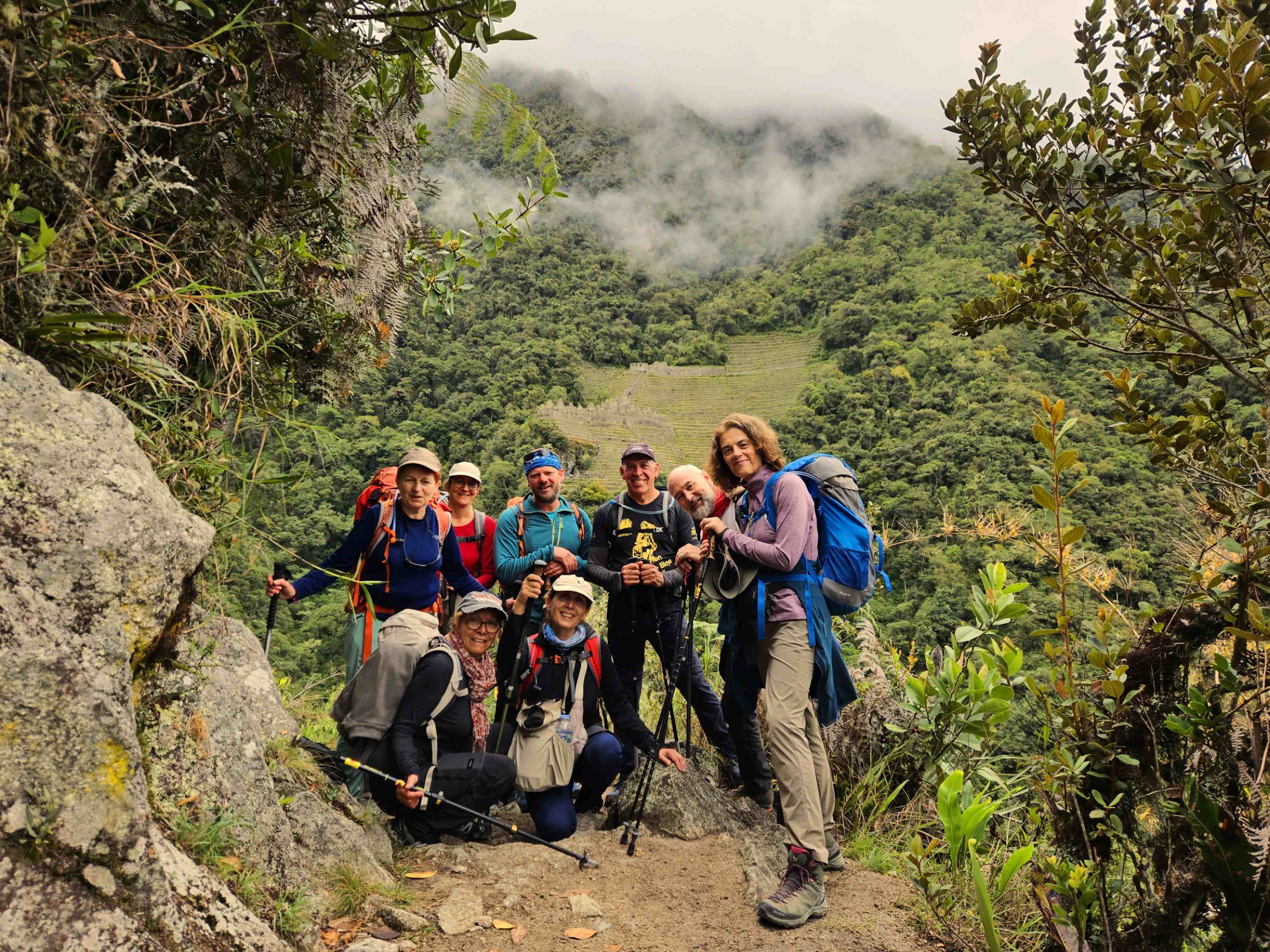
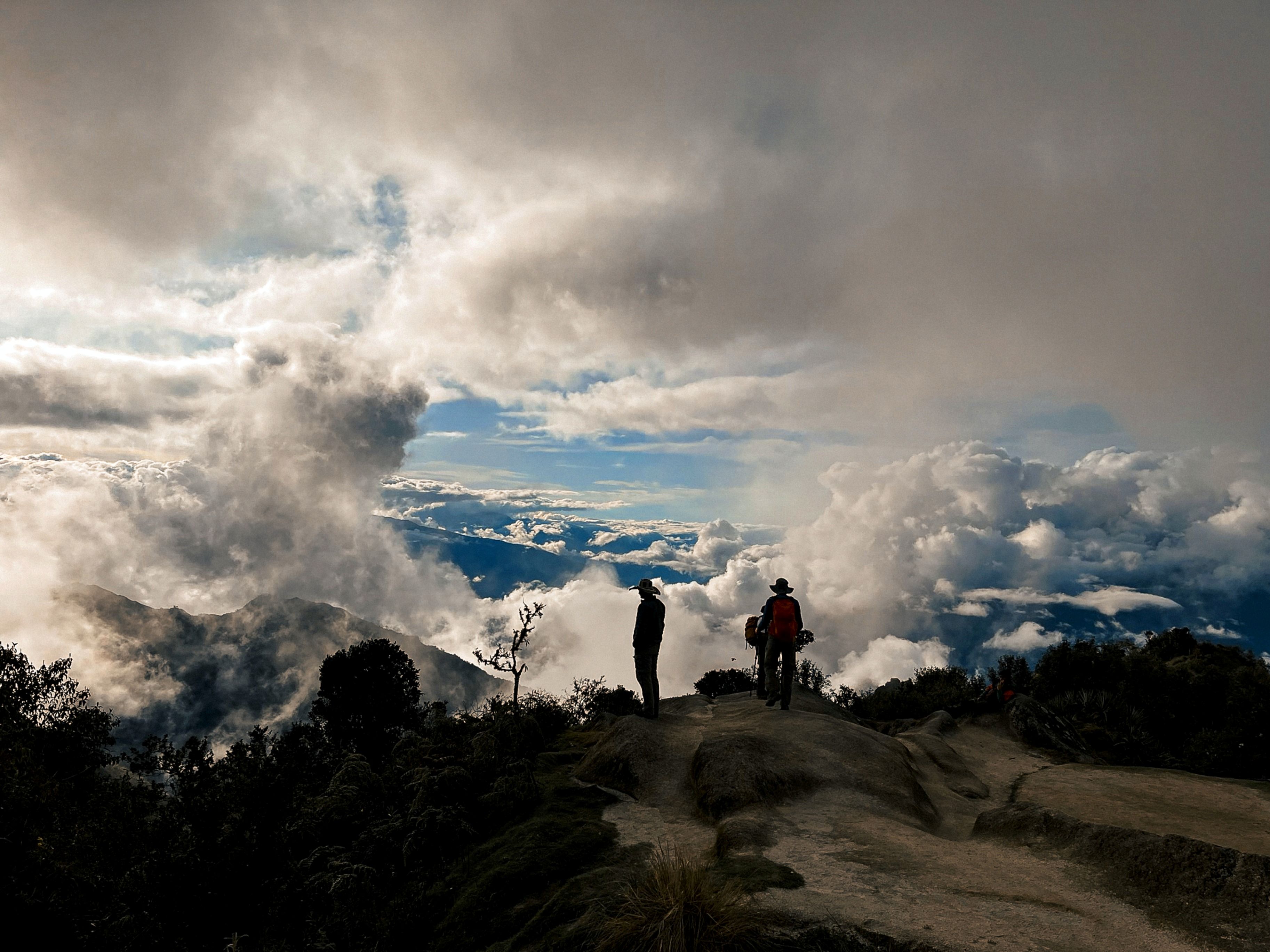
Experience the legendary 4-day Inca Trail, an adventure that combines nature, history, and excitement on one of the world's most iconic paths. Explore stunning Andean landscapes and exclusive archeological sites as you follow the ancient paths built by the Inca civilization, until you reach the majestic citadel of Machu Picchu. With small groups and personalized attention, this tour will allow you to enjoy each stage of the Inca Trail with the time needed to appreciate its natural, cultural, and historical richness.
Overview of the Classic Inca Trail
Why choose this experience with us?
- Small groups and guaranteed departures: We travel in groups of no more than 15 people, for a more authentic experience. Departures are confirmed from 4 passengers, so you can plan your adventure with complete confidence.
- Up to 5 kg of luggage carried for you: A porter carries up to 5 kg of your luggage across the four days, so you can walk more comfortably and enjoy the trail to the full.
- Local porters and cooks: Our team has extensive experience on the Inca Trail and is committed to a high-quality, safe and authentic service.
- A professional guide throughout the tour: From the pickup at your hotel to the end of the trek, our guide answers your questions and provides historical insight and safety along the whole route.
- The Inca Trail and Machu Picchu without rushing: An itinerary designed to walk the trail and see the citadel at a calm pace, taking in the scenery, history and culture.
- Quality meals and trekking equipment: All meals are covered during the trek, and our portable filtration system lets you refill your reusable bottle along the way.
Itinerary at a glance
Cusco – Ollantaytambo – Piscacucho (Km 82) – Patallacta – Wayllabamba
The tour starts in Cusco, from where we travel to kilometre 82 of the railway, the starting point of the trek. Along the way you will enjoy spectacular scenery and visit Inca Trail sites such as Patallacta, before reaching the Wayllabamba campsite.
Wayllabamba – Warmiwañusca Pass – Pacaymayo
The second day is defined by the challenge of the Warmiwañusca pass, the highest point of the route, before the descent into the magical Pacaymayo valley.
Pacaymayo – Runkurakay – Sayacmarca – Chaquicocha – Phuyupatamarca – Intipata – Wiñay Wayna
A day between history and nature, visiting Inca archaeological sites such as Runkurakay, Sayacmarca and Phuyupatamarca on the way to the spectacular Wiñay Wayna campsite.
Wiñay Wayna – Inti Punku – Machu Picchu – Aguas Calientes – Ollantaytambo – Cusco
The last day begins with the unforgettable sunrise at the Inti Punku gateway, which welcomes you to Machu Picchu. In the evening we return to Cusco.
Tour facts
| Day | Distance | Hiking time | Highest point | Lowest point | Difficulty | Temperature |
|---|---|---|---|---|---|---|
| Day 1 | 6.2 mi / 10 km | Approx. 5 hours | Wayllabamba: 9,842 ft / 3,000 m | Vilcanota river: 8,858 ft / 2,700 m | Easy | 64 °F to 68 °F by day / 41 °F to 46 °F at night |
| Day 2 | 10 mi / 16 km | Approx. 7 hours | Warmiwañusca: 13,779 ft / 4,200 m | Pacaymayo: 11,646 ft / 3,550 m | Moderate | 55 °F to 73 °F by day / 39 °F to 54 °F at night |
| Day 3 | 8.7 mi / 14 km | Approx. 7 hours | Runkurakay: 12,795 ft / 3,900 m | Wiñay Wayna: 8,792 ft / 2,680 m | Moderate | 59 °F to 72 °F by day / 32 °F to 41 °F at night |
| Day 4 | 3.1 mi / 5 km | Approx. 2 hours + 2 hours guided visit | Wiñay Wayna: 8,792 ft / 2,680 m | Machu Picchu: 7,872 ft / 2,400 m | Easy | 68 °F to 75 °F by day / 36 °F to 41 °F at night |
Highlights of the route
- Cusco (the Imperial City or Qosqo): known as the navel of the world, it was the capital of the Tawantinsuyo empire. Today it combines colonial architecture with its Inca heritage.
- Piscacucho (Km 82): the official starting point of the Classic Inca Trail, a rural village surrounded by magical scenery.
- Huillca Raccay: an ancient archaeological site with a strategic control role and impressive views over the valley.
- Llactapata (Patallacta): an important Inca agricultural and urban complex beside the Urubamba river valley.
- Wayllabamba: a beautiful Andean valley surrounded by vegetation, and the first campsite on the Inca Trail.
- Warmiwañusca (Dead Woman's Pass): the highest and most demanding point of the route, above 4,200 m (13,779 ft).
- Pacaymayo: a valley ringed by Andean mountains, home to one of the most important campsites on the trek.
- Runkurakay: a semicircular archaeological site that served as a lookout and resting place in Inca times.
- Sayacmarca: an impressive pre-Hispanic citadel built on the mountainside, surrounded by terraces and deep ravines.
- Phuyupatamarca: known as the town above the clouds, famous for its ceremonial fountains and panoramic views.
- Intipata: a set of agricultural terraces built for farming and for making the most of the sunlight.
- Wiñay Wayna: famous for its steep agricultural terraces and archaeological enclosures, with one of the finest views of the trail.
- Inti Punku (the Sun Gate): the main entrance to Machu Picchu since Inca times, and the spot of the first panoramic view of the wonder of the world.
- Machu Picchu: an Inca citadel considered one of the main retreats of the Inca elite, as well as a sanctuary and astronomical centre among tropical mountains.
- Aguas Calientes (Machu Picchu town): the main service hub and gateway to Machu Picchu.
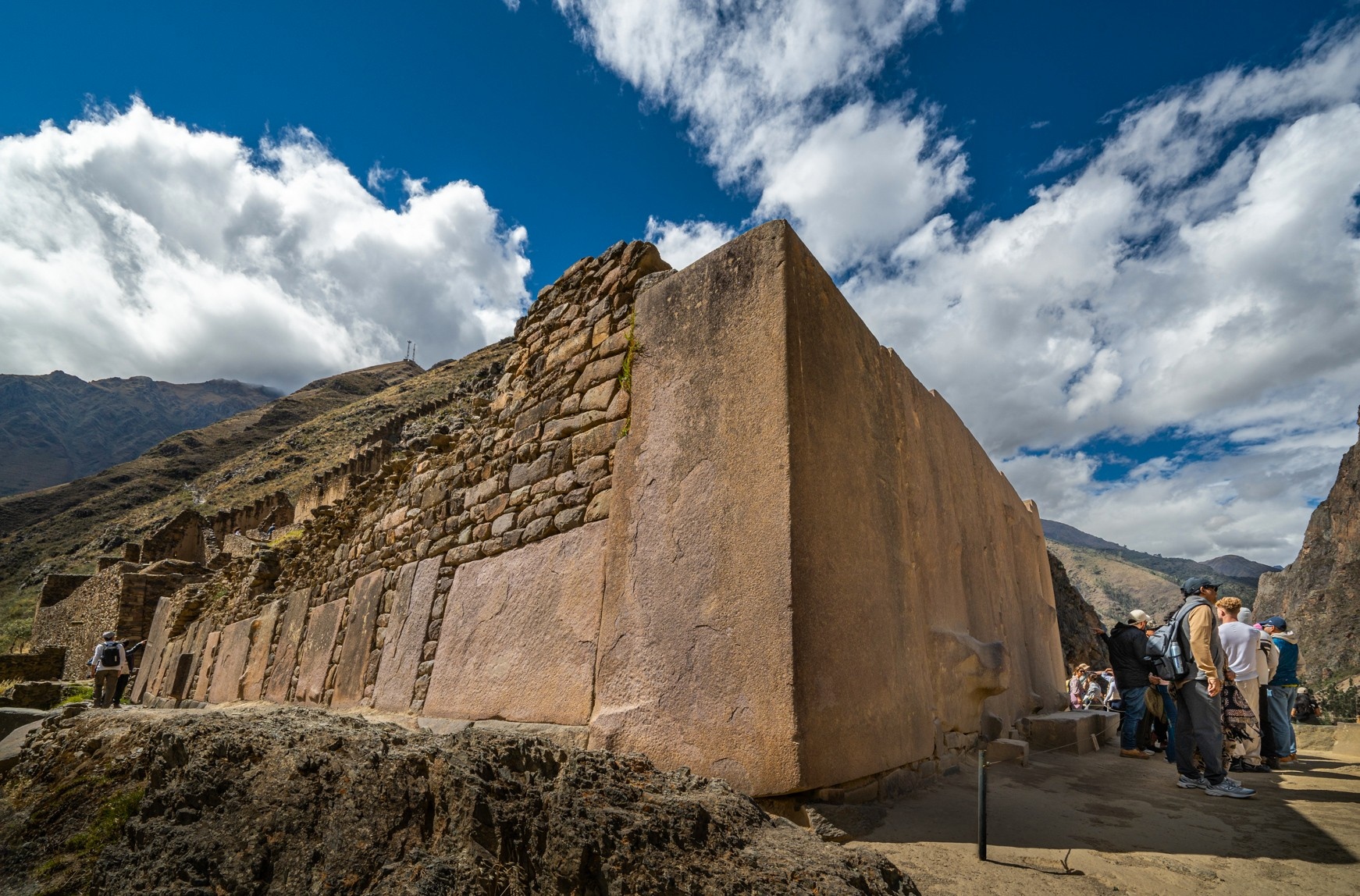
- Ollantaytambo: a town that keeps its original Inca layout, with an impressive archaeological site and a wide range of services.
Itinerary of the Classic Inca Trail
Cusco – Ollantaytambo – Piscacucho (Km 82) – Patallacta – Wayllabamba
The first day is a gentle warm-up: you cross the Vilcanota river, meet the team that will accompany you all the way, and discover the first landscapes of the original Inca road.
- The tour begins early with the pickup at your hotel in Cusco, at around 5:00 a.m., and the drive to Ollantaytambo, roughly an hour and a half. From there we continue to Km 82, the first checkpoint where the Classic Inca Trail begins, arriving at about 9:30 a.m. Here the group meets the whole staff in charge of the trek.
- This is the start of one of the most famous treks in the world. The path begins at 2,720 m (8,923 ft) and, after crossing the Vilcanota river, you discover the culture, traditions and customs of the village of Piscacucho in close contact with nature. Along the way you can admire the imposing Verónica snow peak (5,893 m), one of the most important mountains in the Cusco region.
- The route continues to Willkaraqay, an archaeological site set among the mountains, where the guide explains why the Incas built their most important sites in places like this. From here you look out over the impressive site of Patallacta, also known as Llaqtapata, with the Verónica peak in the background.
- The trail then goes on to Tarayoq, where the first lunch is served. After a short rest we continue to Wayllabamba, a green, temperate valley at 3,000 m (9,842 ft) and our campsite for the night, where temperatures drop to around 5 °C (41 °F). In the evening we share dinner, a good chance for fellow travellers to get to know each other.
Wayllabamba – Warmiwañusca Pass – Pacaymayo
The most demanding day of the trek: the climb to the Warmiwañusca pass, the highest point of the Inca Trail, and the descent into the Pacaymayo valley.
- The second day starts early, because waking up in the Andes is an experience worth living at least once. After breakfast we walk to Llulluchapampa, where we stop briefly to rest, hydrate and recover energy.
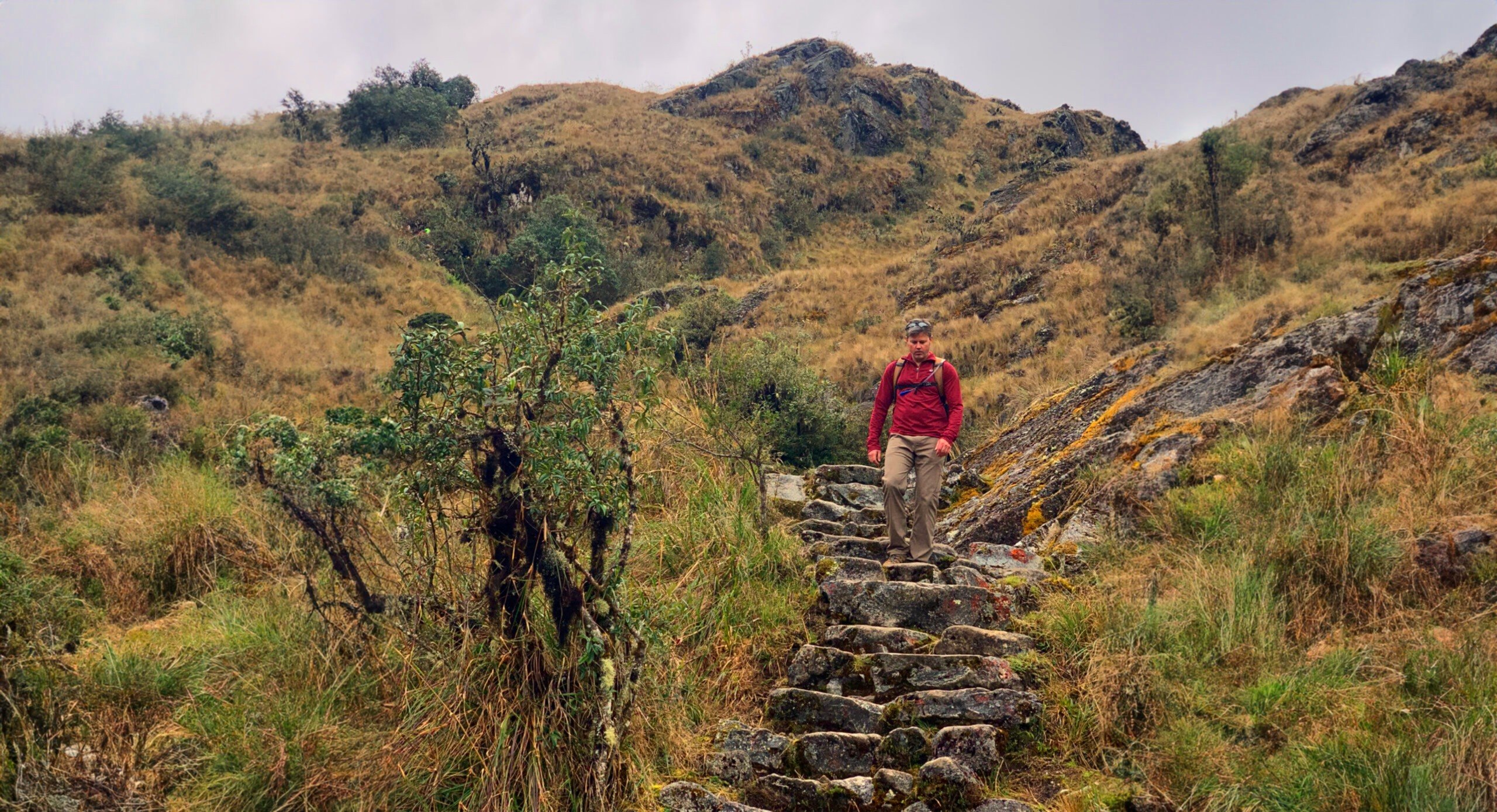
- We then continue the climb to the Warmiwañusca pass (4,215 m / 13,829 ft), also known as Dead Woman's Pass, a landscape where temperatures drop noticeably. From there we begin a gradual descent along ancient stone stairways to the Pacaymayo campsite, where we spend the night.
- Nights in the Andes bring starry skies, a magical setting to enjoy at the end of each day of the adventure.
Pacaymayo – Runkurakay – Sayacmarca – Chaquicocha – Phuyupatamarca – Intipata – Wiñay Wayna
The day with the most archaeological sites on the route, among terraces, ceremonial fountains and viewpoints over the Vilcanota valley.
- The third day starts with a hearty breakfast. After a short briefing we climb to Runkurakay, a strategic supply point in Inca times. Following a brief visit we continue to the second pass of the route, the Runkurakay pass.
- From there the descent begins towards Sayacmarca, an important astronomical site known for its semicircular shape and windows set at different angles. Following the Qhapaq Ñan, the Inca road system, we reach the Chaquicocha lagoon, where lunch is served.
- The journey continues to Phuyupatamarca (3,650 m / 11,975 ft), with views over broad valleys crossed by the Vilcanota river, surrounded by lush vegetation and a wide variety of local wildlife. The site is known for its terraces, where Inca engineering made farming possible at high altitude, and for its water fountains, considered among the finest hydraulic works on the Inca Trail.
- The next stop is Intipata, the place of the sun, one of the most important agricultural centres on the route. Thanks to its orientation it receives abundant sunlight and, with the humidity of the area, favours crops such as maize and potatoes.
- At the end of the day we reach the Wiñay Wayna campsite, an impressive archaeological site of vertical terraces built into the mountain and home to one of the most emblematic flowers of the Andes: the orchid. In the evening we share a delicious dinner, which also serves as a farewell to the camping team that accompanied the group.
Wiñay Wayna – Inti Punku – Machu Picchu – Aguas Calientes – Ollantaytambo – Cusco
The most awaited moment: sunrise from the Sun Gate and the guided visit to Machu Picchu, before the return to Cusco.
- On the last day we get up very early for breakfast and head to the Wiñay Wayna checkpoint, where a light hike of about 2 hours to Inti Punku (the Sun Gate) begins. This is one of the most awaited moments of the Inca Trail, as it gives you the first unforgettable panoramic view of Machu Picchu emerging between the mountains and the morning mist.
- Weather permitting, you can watch the first rays of sun light up the Inca citadel little by little, a scene reserved for those who arrive at Machu Picchu along the Inca Trail.
- The walk continues for around 30 more minutes to the citadel, along the panoramic sector where the Guardian's House stands, the best spot to capture the most iconic photographs of the wonder of the world.
- We then walk down for the guided visit along circuit 3B, which covers the main squares, terraces, temples, water channels and ceremonial enclosures, while the guide shares the history, the architecture and the legacy of the Inca civilisation.
- After the visit we go down to the town of Aguas Calientes to board the train to Ollantaytambo. On arrival, a private vehicle takes us back to Cusco, bringing to a close an unforgettable adventure full of history, nature and culture.
What the Classic Inca Trail includes
Permits and entrance tickets
- Official Classic Inca Trail permit: Once your booking is confirmed we arrange the permit straight away. Because places are limited, we recommend booking several months in advance. Permits are personal, non-transferable and cannot be changed to another date once issued.
- Inca Trail entry at Piscacucho, Km 82 (route 1): The main access to the 4-day Inca Trail: ancient Inca paths, mountain scenery, cloud forest and exclusive archaeological sites such as Patallacta, Runkurakay, Sayacmarca, Phuyupatamarca and Wiñay Wayna. The adventure ends at Inti Punku, with the first panoramic view of Machu Picchu.
- Day 4: Inca Trail, circuit 1 (Inti Punku and panoramic view): The route continues to the Sun Gate, the main access to Machu Picchu, and its classic panoramic view from the Guardian's House.
- Day 4: Machu Picchu, circuit 3 - route 3B: A walk through the lower part of the citadel: agricultural terraces, urban sector, Temple of the Sun (exterior view), the Inca's House, the Sacred Plaza, ceremonial fountains and the Temple of the Condor.
Assigned campsites
- Day 1: Campsite at Wayllabamba.
- Day 2: Campsite at Pacaymayo.
- Day 3: Campsite at Wiñay Wayna.
Assigned campsites are subject to the official allocation set by the Ministry of Culture.
Support and safety
- Pre-tour briefing. The day before, our representative goes through every detail of the programme with you and answers your questions.
- Professional bilingual guide (Spanish and English). A team highly trained in safety, history, culture and tourism. Your guide travels with you from Cusco to the end of the trek, providing assistance, guidance and safety throughout.
- First-aid kit and oxygen tank. Our guides receive ongoing first-aid training so they can respond promptly to anything that comes up on the trail.
- Waterproof backpack cover. To protect your belongings from sun and rain during the trek.
- 24/7 customer service. With an emergency number available from start to finish of the adventure.
Rest and comfort
- 3 nights of camping in tents for 2, 3 or 4 people, depending on the group. The tents are spacious, comfortable and built for mountain conditions.
- Insulating sleeping mat for extra comfort on camp nights.
- High-quality camping equipment: dining tent, kitchen tent, tables, chairs, utensils and cooking equipment, all carried by our porter team.
- Duffel bag with 5 kg of luggage included. You can pack up to 5 kg of personal belongings, including your sleeping bag, which our porters carry along the whole route.
Meals
- 3 breakfasts, 3 lunches and 3 dinners prepared by our mountain kitchen team, with vegetarian, vegan and gluten-free options at no extra cost.
- Water refills: boiled, filtered and cooled water from the first lunch to the last breakfast. We recommend bringing reusable bottles for around 3 litres in total.
- Coca tea on waking, served at your tent each morning before the day begins.
- Tea time every day during the trek.
Transport
- Day 1: transfer from your hotel in Cusco to Ollantaytambo and on to Piscacucho (Km 82), the starting point of the Inca Trail.
- Day 4: bus down from Machu Picchu to the town of Aguas Calientes.
- Day 4: tourist train from Aguas Calientes to Ollantaytambo.
- Day 4: transfer from Ollantaytambo station to Cusco (Plaza Regocijo).
Not included
- Sleeping bag: you need one to rest well and recover for the next day. If you do not have one, you can rent it for USD 20.00.
- Trekking poles: they add stability and support on the climbs and descents. Rental for USD 15.00.
- Meals not listed above: breakfast on day 1, and lunch and dinner on day 4.
- Travel insurance (recommended): cover for flight cancellations or delays, lost or delayed luggage, illness, accidents, trip interruptions and medical assistance.
- Tips (optional).
- Extra costs caused by circumstances beyond our control: adverse weather, itinerary changes for safety reasons, illness, strikes, political instability or changes in government policy.
Price of the Classic Inca Trail
Rate by shared group size
| Rate | 2026 price | 2027 price | Conditions |
|---|---|---|---|
| Adult | 780 USD | 860 USD | Prince since 2 people. |
| University student 18 to 25 years old | 755 USD | 835 USD | Valid physical university card. |
Booking guarantee
To secure a place on the Inca Trail, a minimum deposit of USD 300.00 per person is required when booking. The balance is usually paid in Cusco, after the briefing.
Upgrade your experience
| Add-on | Price | Details |
|---|---|---|
| Wayna Picchu entrance | USD 70per person | One of the most exclusive hikes at Machu Picchu, with sweeping views from the famous mountain. Places are very limited: book at least 5 months in advance. |
| Private guide for Wayna Picchu or Machu Picchu Mountain | USD 75per group | An expert guide with exclusive insight and personal attention on your extra hike. |
| Extra porter (7 kg) | USD 90 | Must be booked in advance and is subject to the availability of porter permits. |
| Extra porter (14 kg) | USD 160 | Must be booked in advance and is subject to the availability of porter permits. |
| Inflatable air mattress | USD 25per person | Extra comfort on camp nights. |
| Sleeping bag rental | USD 20per person | A sleeping bag suited to the temperatures of high-altitude campsites. |
| Trekking poles | USD 15per pair | Extra stability and comfort on stairways and uneven ground. |
| Vistadome train (return) | USD 45per person | Panoramic side and roof windows, a snack on board and an alpaca fashion show. |
| Vistadome Observatory train (return) | USD 66per person | Everything the Vistadome offers, plus access to the open-air observatory car and live music. |
| Extra night at a superior hotel in Aguas Calientes | On request | 4 or 5 star hotels for a more comfortable, exclusive stay. |
The Inca Trail closes in February
February is the wettest month of the year, so the trail closes for maintenance and officially reopens on 1 March. We recommend planning your trip from March onwards for the best experience.
What to bring on the Classic Inca Trail
These are the most important items for the four days of trekking.
Required documents
- Original, valid passport. It is requested at the Inca Trail checkpoints and at the entrance to Machu Picchu.
- Valid physical student card, if you booked the student rate.
Luggage
- A 50 to 65 litre trekking backpack with a waterproof cover, if you prefer to carry your own luggage.
- A reusable water bottle, which you can refill along the trek.
- Your main luggage can stay at your hotel in Cusco or in our secure storage.
Clothing and footwear
- Waterproof hiking boots with good non-slip soles.
- Light, breathable clothing, preferably technical materials (avoid cotton).
- 1 waterproof jacket or rain poncho.
- Warm clothing: nights are very cold, so a down jacket is highly recommended.
- 2 or 3 moisture-wicking t-shirts.
- 2 or 3 pairs of trekking trousers.
- 4 pairs of hiking socks.
- 4 sets of underwear.
- A hat or cap and sunglasses.
- A special outfit for your photos at Machu Picchu.
Personal items
- Sunscreen: radiation is strong at this altitude.
- Insect repellent.
- Personal medication and a basic first-aid kit.
- Wet wipes or toilet paper and hand sanitiser.
- Energy snacks: chocolate, nuts or energy bars.
- Cash in soles, in small notes, for tips, drinks and souvenirs.
Gear and extras
- Camera or phone and a power bank.
- Trekking poles with rubber tips, which are compulsory so as not to damage the trail. If you do not bring them, you can get them in Cusco.
- Keep your cash and personal documents inside a waterproof bag.
Important notes
- We recommend acclimatising for at least 2 days in Cusco before the trek.
- Pack light: the less weight you carry, the more you will enjoy the experience.
- Aguas Calientes has the warm, humid climate of the cloud forest. Some humidity in the rooms is normal, even in hotels with ventilation or dehumidifiers.
- Keep your documents and valuables with you at all times during the trek.
Frequently asked questions about the Classic Inca Trail
How far in advance should I book?
We recommend booking as early as possible: ideally 8 months ahead and at least 6 months ahead during high season (April to October). The government strictly limits the number of people allowed on the Inca Trail: only 200 hikers a day receive permits, plus support staff and porters.
For that reason we recommend booking as far ahead as you can, as soon as your travel dates are confirmed.
What is the best time of year for this trek?
The climate in the Andes has two seasons: the dry season (April to October) and the rainy season (November to March). Bear in mind that even in the rainy season a single day can bring both cloudy skies and strong heat. The Inca Trail is open from 1 March each year until the end of January, and the busiest months are April to September. Machu Picchu sits in the cloud forest, so its climate is warm and humid, with temperatures between 8 °C and 20 °C (46 °F to 68 °F). It is a good idea to bring clothing for both cold and warm weather.
How do I know if this trek is right for me?
The Classic Inca Trail covers one of the best preserved stretches of the original road built by the Incas. Because of high demand and the limited number of permits, not every traveller manages to get a place.
The trek suits all kinds of travellers, couples, groups of friends and families, but it does require prior physical preparation, reasonable fitness, real enthusiasm for walking and the ability to move independently along the route. We recommend spending at least one or two days in Cusco before you start, to help you acclimatise to the altitude.
What are the main differences between the Inca Trail and the Salkantay route?
The Inca Trail requires permits that must be booked well in advance because of the daily limit on places, which makes it a more exclusive and sought-after route. The Salkantay route needs no special permit, so it offers greater availability and flexibility of dates.
Salkantay also has better accommodation options along the way and sanitary facilities at the campsites, and it includes a hotel night in Aguas Calientes before entering Machu Picchu; on the Classic Inca Trail, by contrast, you enter the citadel directly from the campsite.
In terms of cost, the Inca Trail is more expensive because of the permits, while Salkantay is more affordable without sacrificing the quality of the experience. In difficulty, the Inca Trail is slightly more demanding, although both routes call for good fitness and prior acclimatisation in Cusco. Entry to Wayna Picchu or Machu Picchu Mountain carries an extra cost and requires separate tickets.
What is the recommended age for children, and is there a maximum age for adults?
The trek is recommended for children from 8 years old who are used to walking and to outdoor activities. For adults there is no maximum age: many travellers in their 60s and 70s, and older, complete the route successfully. Even so, we advise a medical check-up beforehand and travel insurance covering hiking and medical emergencies.
Beyond age, what matters most is being fit enough to walk for several hours. For those travelling with children or older adults, we suggest considering the private service, which lets you go at your own pace, spend more time with the guide and make longer stops at the most interesting sites.
How many passengers are in a shared group?
The Inca Trail should be a unique experience, so we work with small groups of no more than 15 passengers. Departures are guaranteed from 4 people. If no other passengers are booked on your date, the departure still goes ahead: we never share or transfer groups to other agencies.
Travellers on their own or in groups of 2 to 3 can ask to join a shared group already scheduled, subject to availability. For more information, write to info@sakuraexpedition.com.
Why does the Inca Trail close in February?
The Inca Trail is a much-visited route that needs annual maintenance. This work is carried out in February, the wettest month of the year, and the route officially reopens on 1 March.
How many days before should I arrive in Cusco to acclimatise?
To enjoy the adventure fully and prevent altitude sickness, we recommend arriving in Cusco at least 2 days in advance. During that time you can take part in acclimatisation activities, such as a half-day city tour of Cusco or a full-day excursion to the Sacred Valley.
If you are coming from another high-altitude area in Peru, one full day in Cusco may be enough to rest before starting the trek.
How difficult is the Classic Inca Trail?
The difficulty is considered moderate. The second day is the most demanding because of the climb to the Warmiwañusca pass, above 4,200 m (13,779 ft). With proper acclimatisation and a steady pace, most travellers complete the route without trouble.
How many miles and hours do we walk each day?
The full route covers roughly 45 kilometres (28 miles), spread over days of 5 to 7 hours of walking, depending on the group's pace, the weather and the stops for rest and archaeological visits.
At what altitude does the trek start, and what is the highest point?
The route starts at Piscacucho (Km 82), at 2,720 m (8,923 ft). The highest point is the Warmiwañusca pass, or Dead Woman's Pass, at 4,200 m (13,779 ft), reached on the second day.
Is travel insurance mandatory?
It is not mandatory, but we strongly recommend it for peace of mind. Good insurance can help with lost luggage, cancellations, illness, missed tours due to delays, strikes or natural disasters during the trip.
Will I receive travel information before departure?
Yes. The day before departure there is a detailed briefing with your guide, either as a group or in person at your hotel.
Can I change my passport number after booking?
The government only allows a passport number to be changed if a copy of both the new and the previous passport is provided. If you no longer have the previous passport, any official ID is accepted as long as the name matches. Also make sure your passport does not expire within the six months before or during your trip.
How do I get to Cusco?
Most travellers reach Cusco by air. Cusco airport only handles domestic flights, so if you arrive from abroad via Lima you must collect your luggage there and check it in again for the flight to Cusco. Several airlines fly the Lima to Cusco route with similar schedules.
Is breakfast included on the first day, before the trek starts?
The first breakfast is not included. We recommend ordering a breakfast box at your hotel or having breakfast during the scheduled stop in Ollantaytambo, before continuing to Piscacucho (Km 82).
What clothing and gear do you recommend?
Comfortable, light clothing suited to Andean weather. The most important items are hiking footwear with good support and grip, quick-drying trousers, waterproof clothing or a rain poncho, a suitable backpack, a hat or cap, trekking poles for the climbs and descents, insect repellent, sunscreen and a camera with a charged battery.
Do the porters carry my personal luggage and sleeping bag?
Yes. Our porter team carries up to 5 kg of personal luggage per passenger, including the sleeping bag. This luggage travels with the porter team and is available at each campsite.
If you would like to bring extra luggage for your own use during the trek, you can hire a personal porter carrying up to 14 kg for USD 160.00. This service must be booked in advance to guarantee availability.
What size backpack do you recommend if I carry all my own luggage?
If you decide to carry all your clothing, personal items and sleeping bag yourself, we recommend a 50 to 65 litre trekking backpack with good lumbar support and adjustable straps. Pack only what you need, since you carry the backpack the whole way, including demanding climbs such as Warmiwañusca.
For more comfort you can hire a porter: USD 90.00 for 7 kg or USD 160.00 for 14 kg. In that case your belongings travel with the camping equipment.
How many people share a tent?
We have tents for 2 and 4 people. If two travellers want a tent to themselves, just let us know when booking, at no extra cost. Single tents are available on prior request and carry an extra cost.
Do I need trekking poles?
Poles are very useful and recommended for this trek. There are many Inca stone steps to descend, of varying heights and not always straight; poles help relieve pressure on the knees and give support on the climbs. If you bring your own, make sure they have rubber tips, otherwise the park rangers will not allow their use.
Are drones or GoPro cameras allowed?
Machu Picchu and the Inca Trail are protected by the Peruvian State and UNESCO, so drones may not be brought in or flown. GoPros and small cameras are allowed.
Can I do the Inca Trail as a vegetarian or vegan?
Yes. Our kitchen team prepares vegetarian, vegan and gluten-free options at no extra cost. Please tell us about your dietary preferences or restrictions when booking, so meals can be planned properly.
How long is the visit to Machu Picchu on day 4?
On the fourth day there is a guided tour of about 2 to 3 hours around Machu Picchu along circuit 3B, during which the guide shares the history, the architectural details and the secrets of the Inca citadel.
Are there toilets and showers along the route?
Yes. Along the route there are toilets run by the Ministry of Culture at the main campsites and checkpoints, and our team also sets up a portable toilet exclusively for our passengers at the authorised campsites. Some campsites have cold-water showers; for extra comfort, the team provides hot water every day for washing.
Is there phone signal or internet during the trek?
Coverage is limited. On the first day there is usually signal from most operators until around 10:30 a.m.; after that it disappears along most of the route. In higher areas and at campsites such as Wayllabamba and Llulluchapampa some networks may have signal, although it is not guaranteed. We recommend letting family and friends know that you may be out of touch for much of the trek.
Can I charge electronic devices along the route?
There are no charging points on the route, so we recommend bringing a fully charged power bank to keep your phone, camera or other devices working across the four days.
How do strikes or roadblocks affect the itinerary, and what is the contingency plan?
External factors such as strikes, demonstrations or roadblocks can change the times or services in the itinerary. Our operations team monitors the situation constantly to offer timely solutions.
If anything comes up, we arrange alternatives, adjusted schedules, alternative routes or rescheduling in line with the provisions of the Ministry of Culture, always putting your safety first. As some changes may lead to unforeseen extra costs, we recommend having travel insurance.
What happens if I feel unwell during the trek?
If a passenger feels unwell because of the altitude, exhaustion or any other reason, the guide assesses the situation immediately and provides assistance. Depending on the passenger's condition and where they are on the route, we arrange the return along the safest path or support from the relevant authorities: the Ministry of Culture, SERNANP and the High Mountain Division of the National Police of Peru.
Can I spend an extra night in Aguas Calientes?
Yes. If you take the same train planned in the original itinerary, usually at 6:20 p.m., there is no extra charge. If you need us to arrange the hotel or another Machu Picchu visit, that carries an additional cost.
To stay an extra night in Aguas Calientes, please let our office know at least one month in advance so the train ticket is bought for the right date.
What if I cannot get an Inca Trail permit?
Permits are allocated in order of purchase and usually sell out several months in advance. If there is no availability for your chosen date, our team will offer alternative dates or alternative trekking routes to Machu Picchu, such as Salkantay or the 2-day Short Inca Trail.
What is the booking process?
Step 1. Check availability. Write to us at info@sakuraexpedition.com to check dates. We will send a booking form for each participant to complete.
Step 2. Passenger details. To arrange the permits we need, exactly as they appear on the passport, full name, gender, passport number, date of birth (dd/mm/yyyy) and nationality. Without these details we cannot buy permits or tickets.
Step 3. Deposit and confirmation. Once the forms are received, we ask for a deposit of USD 300.00 per person in order to buy the permits.
Step 4. Final confirmation. Once the permits are secured you receive the official confirmation invoice and your booking is 100 % guaranteed.
Can I cancel and ask for my deposit back?
Unfortunately not. Because the Inca Trail requires permits, entrance tickets and train tickets to be bought in advance, the deposit paid to confirm the booking is non-refundable and non-transferable. We recommend checking the specific cancellation terms and deadlines with your sales representative before making any changes.
Can I leave my luggage at your office?
Yes. During the trek your main luggage can be stored free of charge at our office or at your hotel.
Are tips expected?
Tipping is part of the tradition on any trek to Machu Picchu. Although our team is paid fairly, any extra gratuity is always appreciated. It is not compulsory and should never feel like an obligation.
Why choose Sakura Expedition for your trip?
Sakura Expedition is a 100 % Peruvian company specialising in adventure and cultural tourism in Cusco. We have a team of certified guides, porters and operations staff committed to unique, safe, high-quality experiences. We stand out for responsible and sustainable tourism, respect for local communities and personal attention in every service.
This is what sets us apart:
- Small groups: a more comfortable, personalised experience with more attention from our guides.
- Our own operation and local team: we run our programmes directly, which lets us maintain high standards of quality, punctuality and organisation.
- Certified professional guides: a team that shares the history, culture and traditions of Peru with genuine passion.
- Personalised service: we are with you before, during and after your trip, with permanent assistance and prompt answers.
- Responsible, sustainable tourism: we work alongside partner communities, respecting their traditions and contributing to the development of local families.
- Commitment to safety: safety protocols, suitable equipment and trained staff.
- A certified local company: we are a 100 % Peruvian company based in Cusco, and this year we earned the CALTUR Gold Certification, the highest recognition of tourism quality in Peru.