
 English
 Inglés
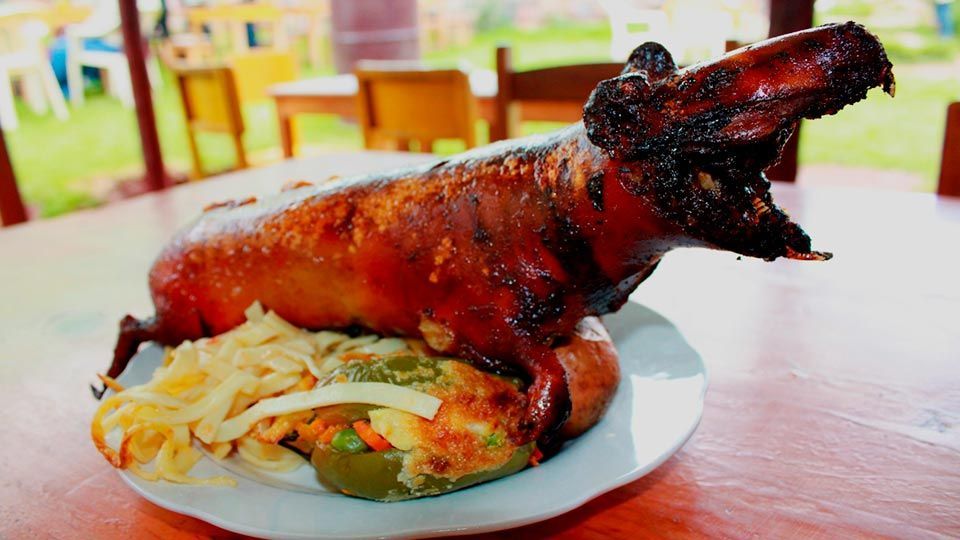
Cusco food is built on Andean ingredients such as potatoes, corn, quinoa and native chilies. The seven traditional dishes to try are chiriuchu, baked guinea pig (cuy), Cusco-style adobo, roast pork (lechón), pig's feet salad, puchero and quinoa soup. Below you will find what goes into each one, when it is eaten and where to order it.
Ready to see it for yourself?
Book your Machu Picchu tour with Sakura Expedition and travel with local guides.
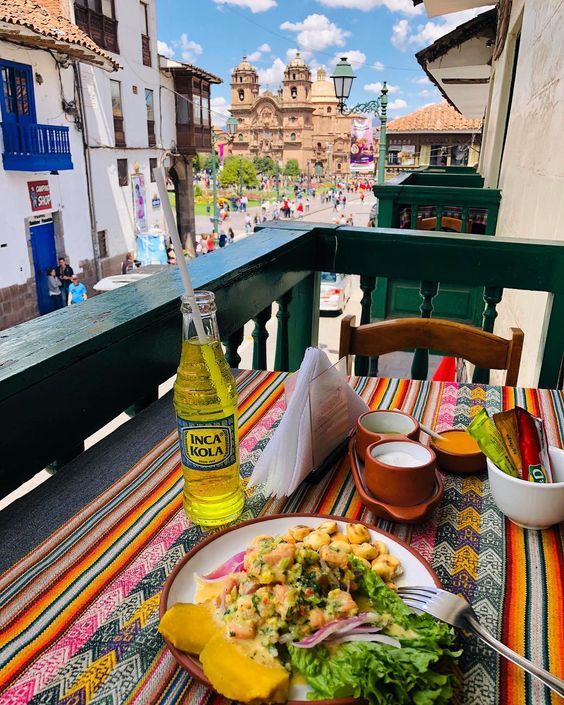
Traditional Cusco dishes at a glance
| Dish | What it is | When to try it |
|---|---|---|
| Chiriuchu | Cold platter of guinea pig, hen, dried beef and seaweed | Corpus Christi |
| Cuy al horno | Guinea pig baked with Andean herbs | All year |
| Adobo cusqueño | Spicy pork stew made with chicha | All year, best in the morning |
| Lechón | Wood-oven roast pork | All year and at celebrations |
| Sarza de patitas | Marinated pig's feet salad | All year |
| Puchero or t'impu | Boiled lamb and vegetables, with broth | Carnival, in February or early March |
| Quinoa soup | Quinoa with meat and vegetables | All year |
1. Chiriuchu
Chiriuchu is one of the dishes that best represents Cusco. Its name comes from the Quechua words chiri (cold) and uchu (chili), because it is served cold.
The platter brings together baked guinea pig, boiled hen, fresh cheese, sausage, toasted corn, seaweed, dried beef (charqui), rocoto chili, fish roe and a corn fritter. Tradition links it to Inca times, when it is said to have gathered products from the four regions of the empire.
It is eaten above all at Corpus Christi, a movable feast that usually falls in June (May 27 in 2027). Some local restaurants and picanterías serve it at other times of year.
2. Cuy al horno (baked guinea pig)
Guinea pig is probably the best-known food in Cusco, and the one visitors hesitate over. It is marinated with garlic, huacatay (Andean black mint) and spices, then baked slowly. Baked noodles or Andean potatoes come on the side.
You can order it in specialist restaurants and in traditional picanterías.
3. Adobo cusqueño
This pork stew is nicknamed levanta muertos, "raise the dead", because of its restorative reputation. It is cooked with chicha de jora (corn beer), bay leaf, rosemary, onion, rocoto and spices.
It is served hot and slightly spicy, with Oropesa bread to soak up the sauce. Locals like it in the morning, but you will also find it at lunch in markets, restaurants and picanterías.
4. Lechón (roast pork)
Lechón appears at almost every celebration in Cusco. The pork is marinated overnight with salt, pepper, chilies and beer or soy sauce, then roasted in a wood-fired oven. It comes with a tamal and moraya, a freeze-dried Andean potato.
5. Sarza de patitas (pig's feet salad)
This salad makes use of a cut that is often overlooked. The pig's feet are marinated in vinegar and Andean spices and mixed with tomato, boiled potato, parsley, onion and rocoto. It is available all year.
6. Puchero or t'impu
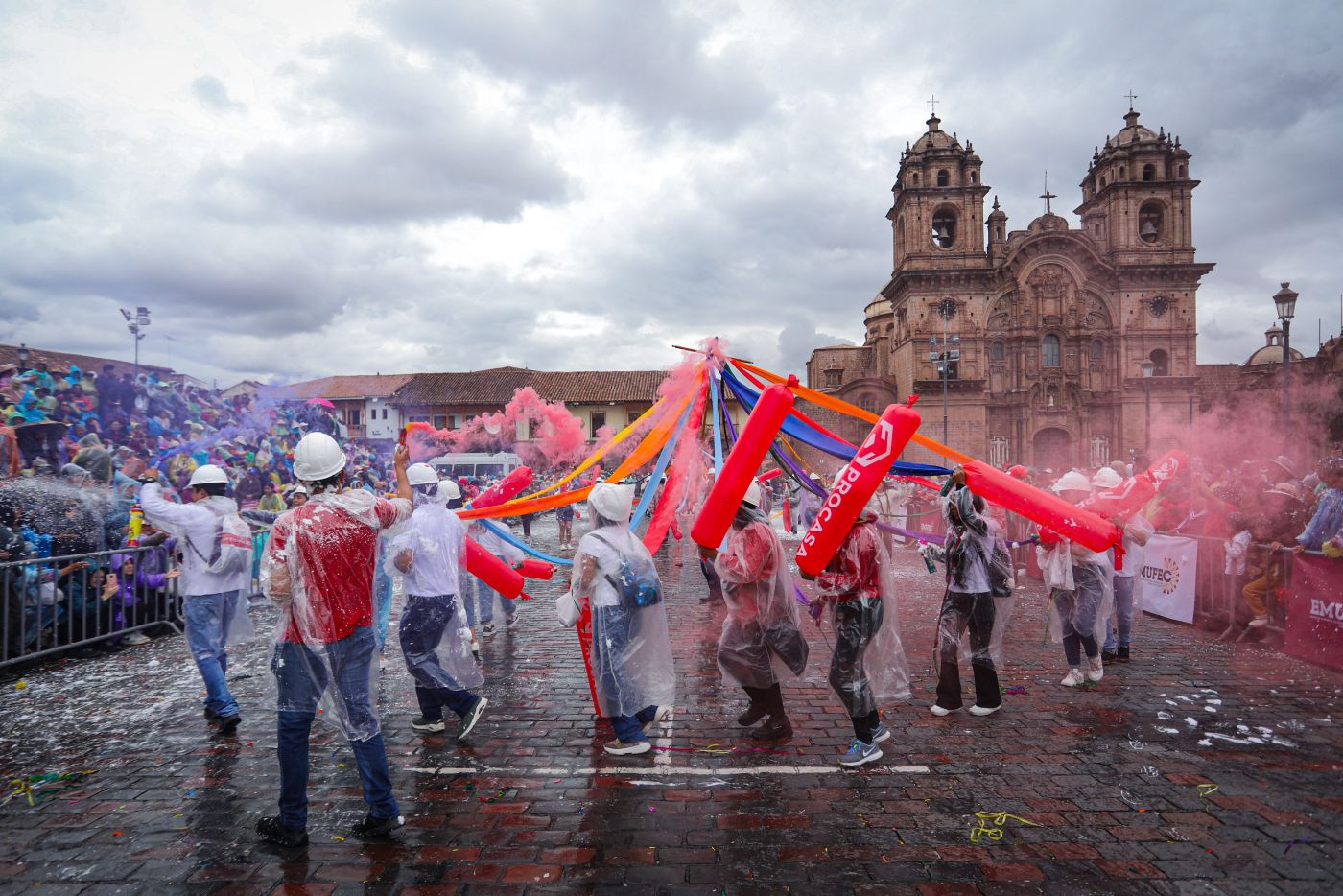
Puchero is the dish of Cusco's carnival. It is eaten in two parts: a generous plate of boiled lamb, moraya, cassava, cabbage, peach, carrot and chickpeas, followed by a bowl of hot broth. The Quechua name, t'impu, refers to boiled food.
Visiting in the rainy season?
From November to March rain is frequent, but the landscapes are greener and the city is calmer. Carnival falls in February or early March, which is when you will find puchero most easily.
7. Quinoa soup
Quinoa has been grown in the Andes for thousands of years, and the Incas revered it as the mother grain. The soup adds beef or lamb, spinach, squash, carrot and other vegetables. It is warm, light and a good choice for cold mornings.
Key ingredients of Cusco food
- Potatoes: Peru has more than 3,000 native varieties, used in soups, stews and side dishes.
- Corn: eaten on the cob as choclo, toasted, or brewed into chicha.
- Quinoa: used in soups, salads and even desserts.
- Chilies and herbs: rocoto, ají amarillo and huacatay give dishes their character.
- Meats: guinea pig, beef, lamb and pork, cooked with inherited techniques.
Where to eat traditional food in Cusco
Picanterías
These traditional eateries serve large portions of stews and soups, usually with chicha de jora. They are the best place for local flavors.
Markets
Markets are the most affordable option, from broths to desserts. Start with San Pedro and see our guide to the markets in Cusco.
Restaurants
Restaurants in the center range from classic recipes to modern Andean cooking, with higher prices and more elaborate presentation.
Festivals and food fairs
Religious celebrations such as Corpus Christi are the best occasion to try chiriuchu and lechón. For more ideas for your stay, see these things to do in Cusco.
Frequently asked questions
What food is Cusco known for?
Chiriuchu, baked guinea pig (cuy), adobo, lechón, puchero and quinoa soup are among the most representative dishes of Cusco.
What is the most traditional dish in Cusco?
Chiriuchu is one of the most representative, because it brings many local ingredients together and is tied to the Corpus Christi celebration.
When can I eat chiriuchu?
Mainly around Corpus Christi, which usually falls in June (May 27 in 2027). Some restaurants and picanterías serve it at other times.
What does guinea pig taste like?
It has a strong, distinctive flavor and a texture similar to that of other small game. If it is your first time, try it at a traditional restaurant.
Where can I eat local food in Cusco?
In picanterías, markets and traditional restaurants, and at food fairs during religious festivals.
Is food in Cusco expensive?
It depends on where you eat. Markets and some picanterías are the cheapest, while tourist restaurants charge more.
What should I eat in Cusco when it is cold?
Quinoa soup and adobo are both served hot and easy to find.
Which Cusco dish should I try first?
Start with adobo or quinoa soup if you want something familiar, and with cuy or chiriuchu if you want to try the most traditional flavors.
Ready to see it for yourself?
Book your Machu Picchu tour with Sakura Expedition and travel with local guides.